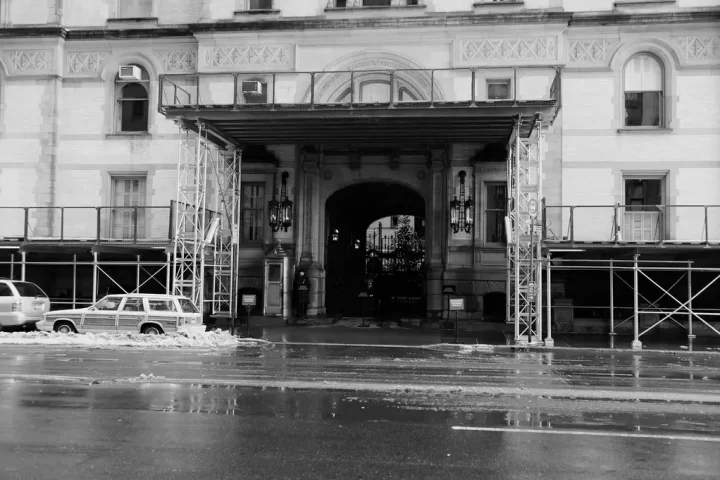
Mısır Apartmanı and the architecture of memory
Situated within Istanbul’s shifting cultural landscape, Mısır Apartmanı operates as both structure and archive—holding traces of past lives while continuing to accommodate new ones.
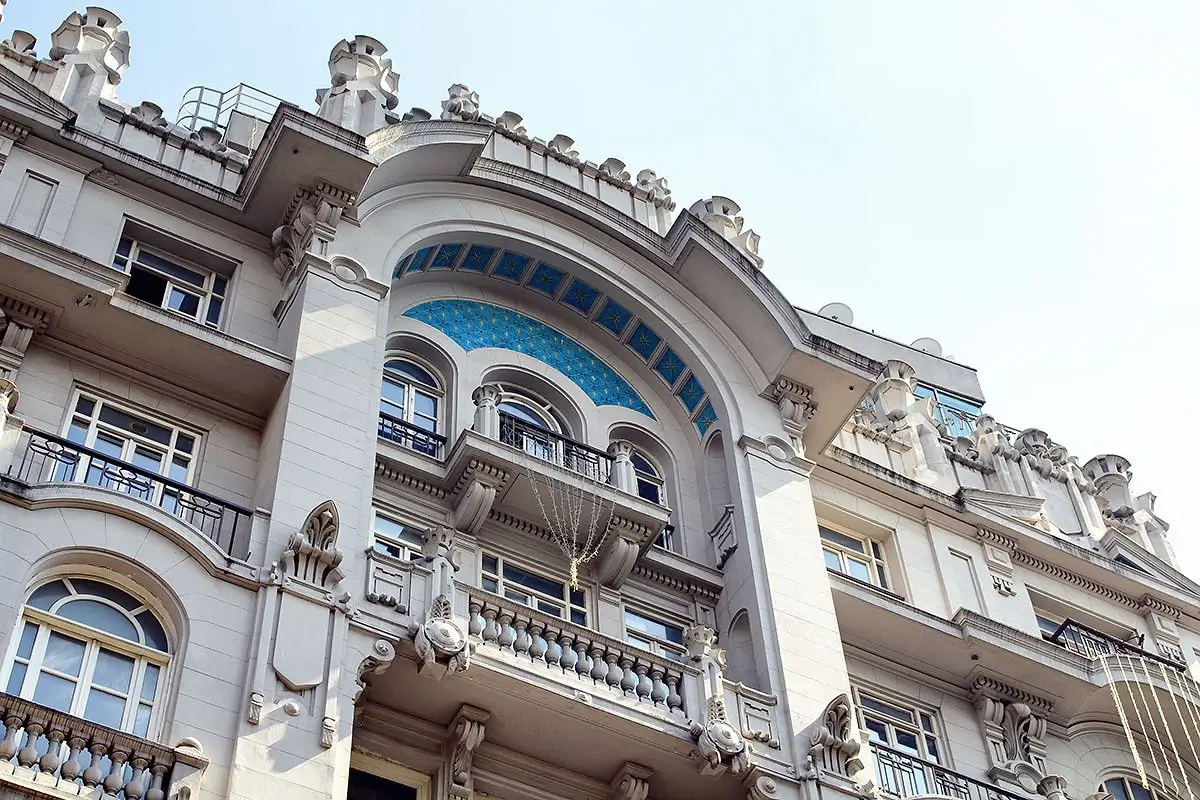
Mısır Apartmanı does not impose itself on the city. It exists within it—absorbed into the rhythm of Istiklal Avenue, yet distinct in its presence. Its facade, marked by European architectural influence, signals a moment in Istanbul’s transformation—when the city began to articulate a different relationship with modernity.
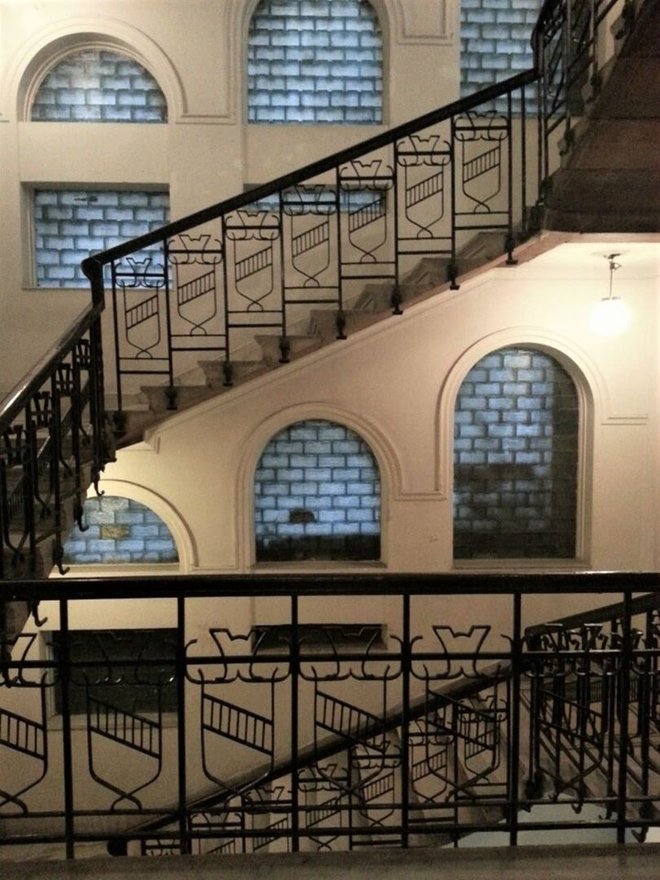
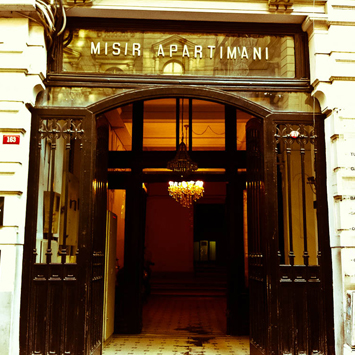
Constructed in the early twentieth century, the building reflects a period of transition. It carries the imprint of a cosmopolitan Istanbul, where multiple cultural and political forces intersected. This layered origin remains embedded in its structure, visible not only in its design but in its continued evolution.
Unlike buildings that preserve a singular identity, Mısır Apartmanı operates through accumulation. Each decade introduces new occupants, new functions, new interpretations. The building does not resist change; it absorbs it.
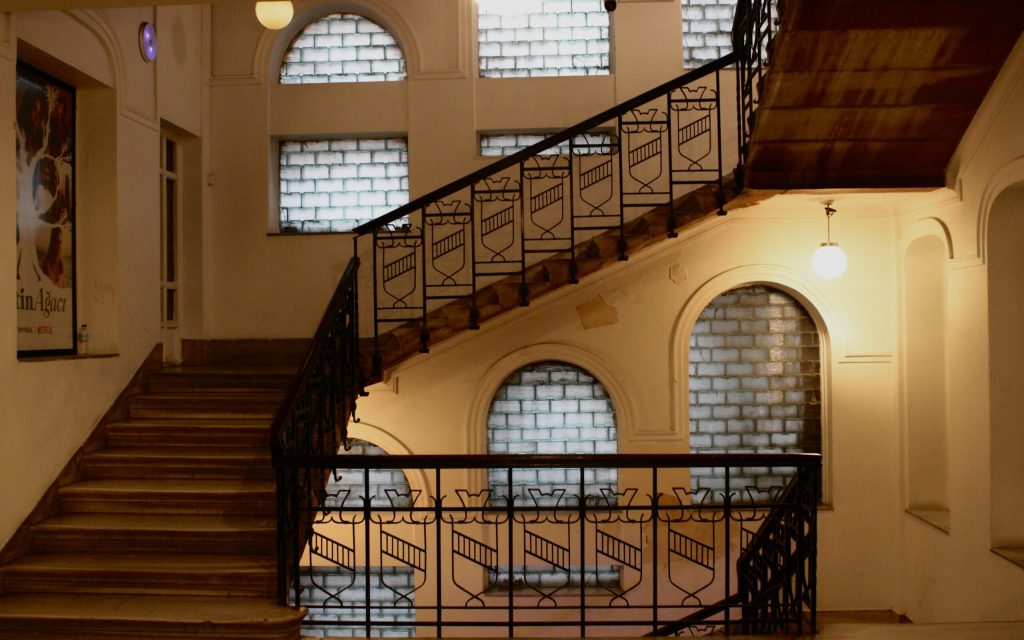
Artists, writers, and cultural figures have passed through its spaces, contributing to its reputation as a site of creative production. Yet these associations are not fixed. They exist as traces—partial, overlapping, often undocumented.
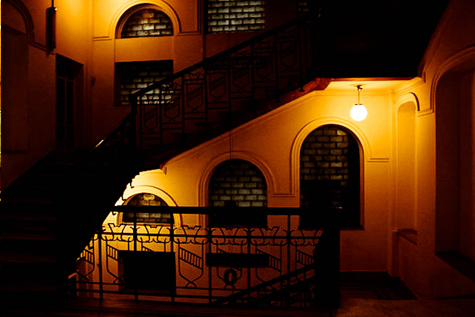
The interior reflects this condition. Spaces are adapted rather than preserved, reconfigured according to need. Studios become offices, residences shift into workspaces, functions blur. The building resists static definition.
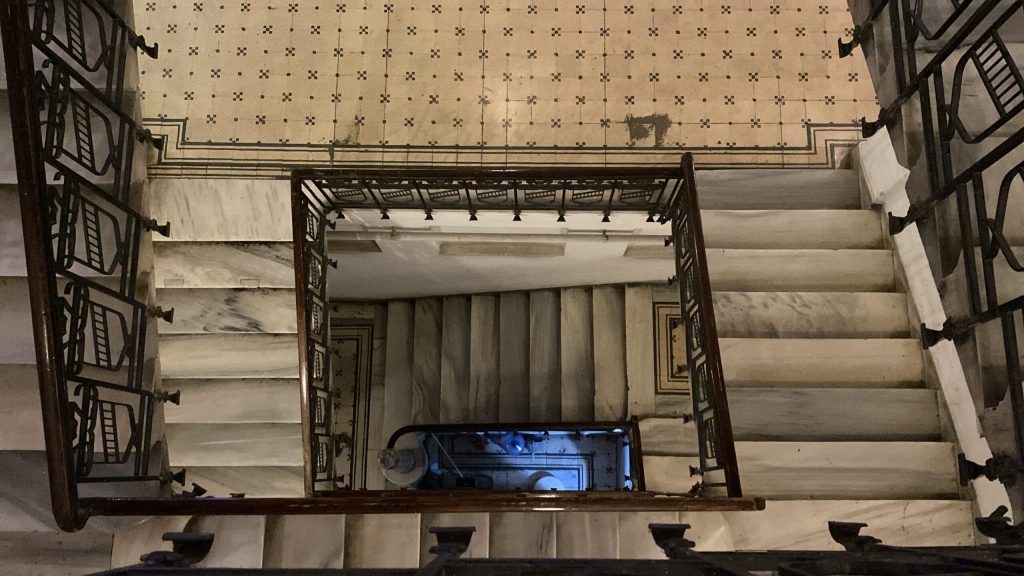
This adaptability aligns with the broader logic of Istanbul itself—a city defined by continuity through transformation. Mısır Apartmanı does not stand apart from this dynamic; it participates in it.
There is also a particular relationship between the building and its surroundings. Positioned within one of the city’s most active arteries, it exists in constant proximity to movement. Yet inside, the atmosphere shifts. Sound is filtered, light softens, and the pace alters.
This contrast produces a distinct spatial experience. The exterior suggests density and speed; the interior offers a degree of separation. Not isolation, but modulation—a recalibration of attention.
The building’s facade functions as both boundary and interface. It separates interior from exterior, yet also frames the building’s public identity. Ornamentation, proportion, material—all contribute to its visual language, situating it within a specific historical moment while remaining open to reinterpretation.
Mısır Apartmanı’s significance lies not in preservation, but in continuity. It does not attempt to maintain a fixed past. Instead, it allows the past to coexist with the present, creating a layered temporal structure.
This layering is not always visible. It requires attention—an awareness of subtle shifts, of traces that persist without announcing themselves. The building does not narrate its history; it embeds it.
In this sense, Mısır Apartmanı functions less as a monument and more as a living structure—one that accommodates change without losing coherence.
It exists not as a singular identity, but as a composite—formed through time, use, and ongoing occupation.