The Dakota as architectural myth
More than a residence, the Dakota exists as a projection—absorbing narratives, resisting time, and sustaining an aura that extends far beyond its facade.

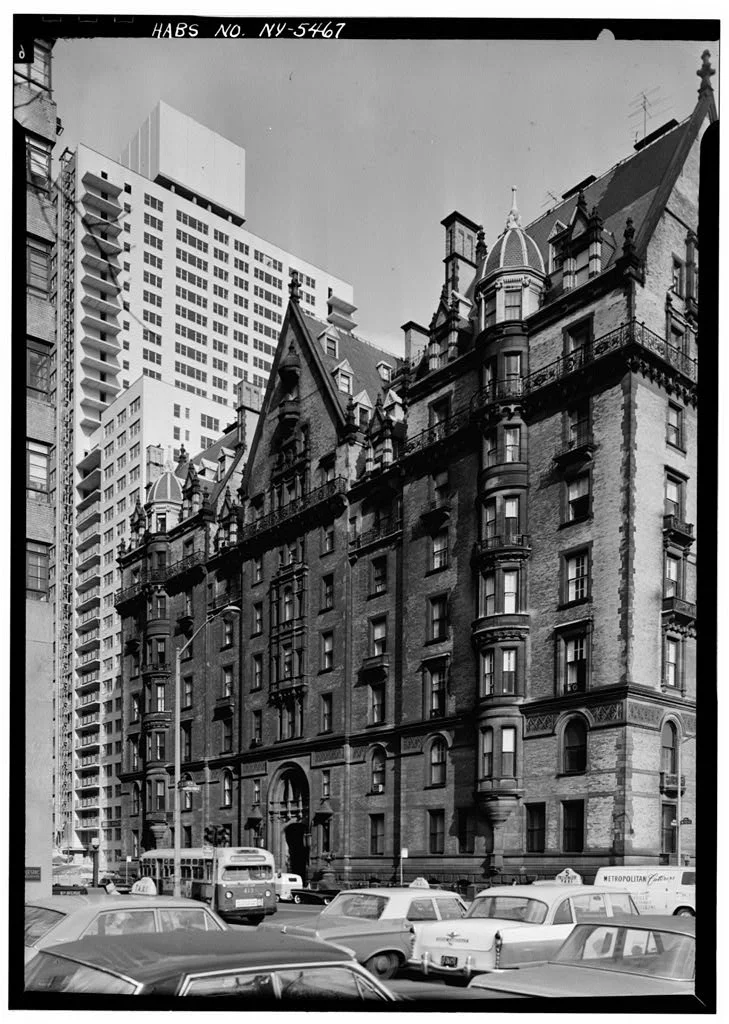
The Dakota does not reveal itself easily. Set slightly apart from the surrounding rhythm of Manhattan, it maintains a distance—both physical and psychological. Its Gothic Revival facade, with pointed arches and deep-set windows, suggests permanence, yet what defines the building is not its structure but its accumulation of meaning.
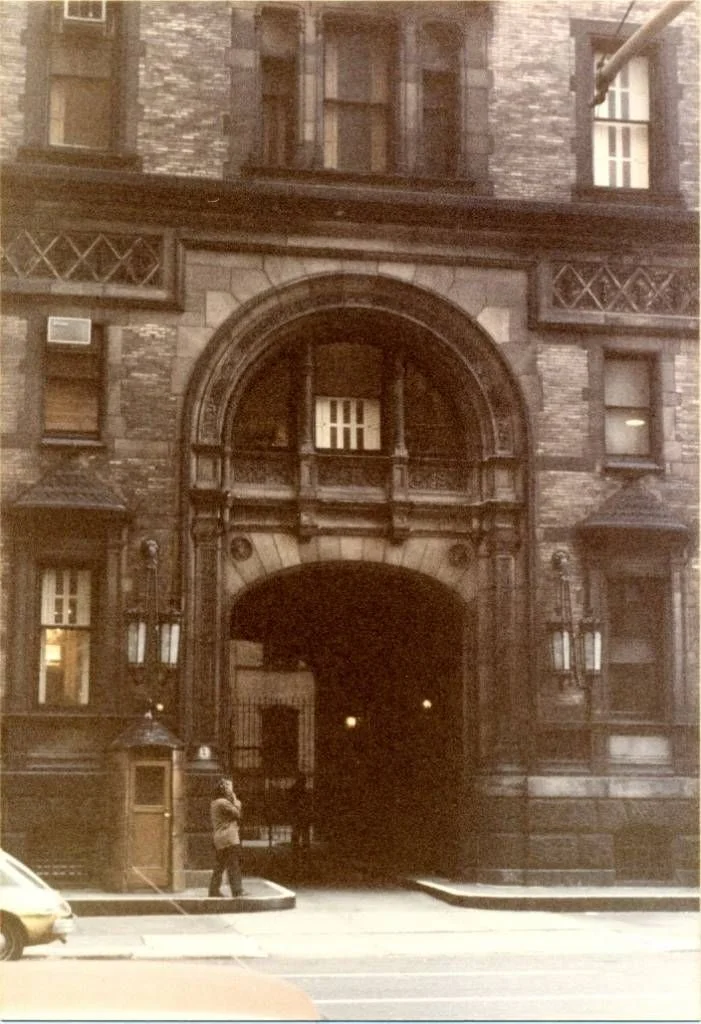
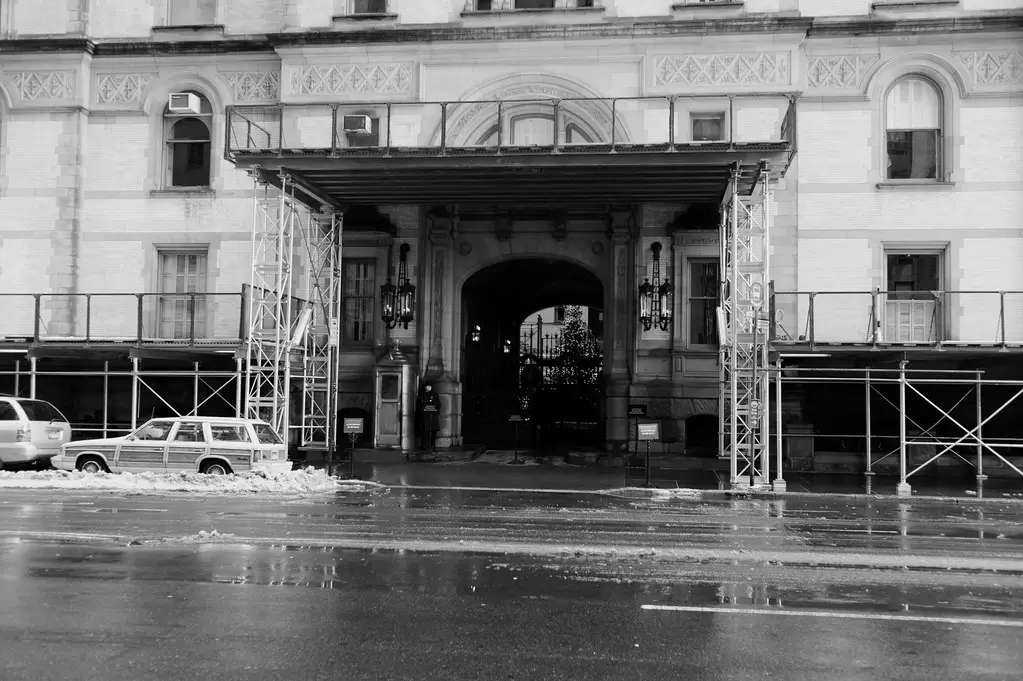
Constructed in the late nineteenth century, the Dakota was conceived as an experiment in urban living—an attempt to bring the privacy and scale of a country estate into the density of the city. Its courtyard, concealed from the street, introduced a controlled interior world, a spatial logic that continues to define its identity. Even today, entry into the building feels less like access and more like transition.
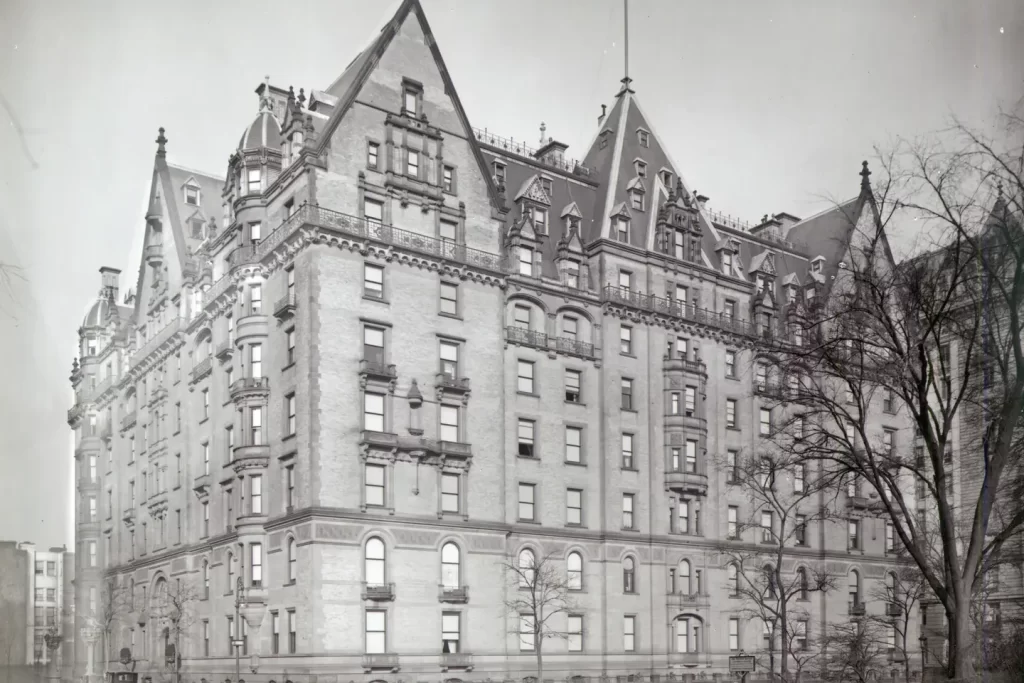
Over time, the Dakota has become inseparable from the narratives that surround it. Some are documented, others speculative, but all contribute to its mythology. The building functions as a container—not only of residents, but of projection. Its exterior remains unchanged, yet its meaning is continuously rewritten through association.
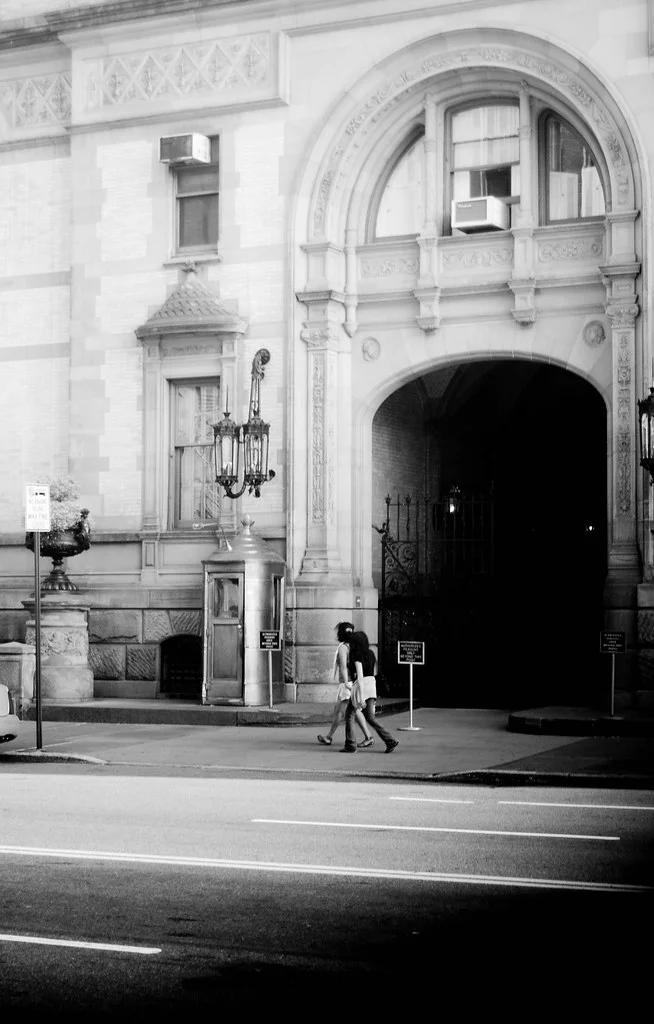
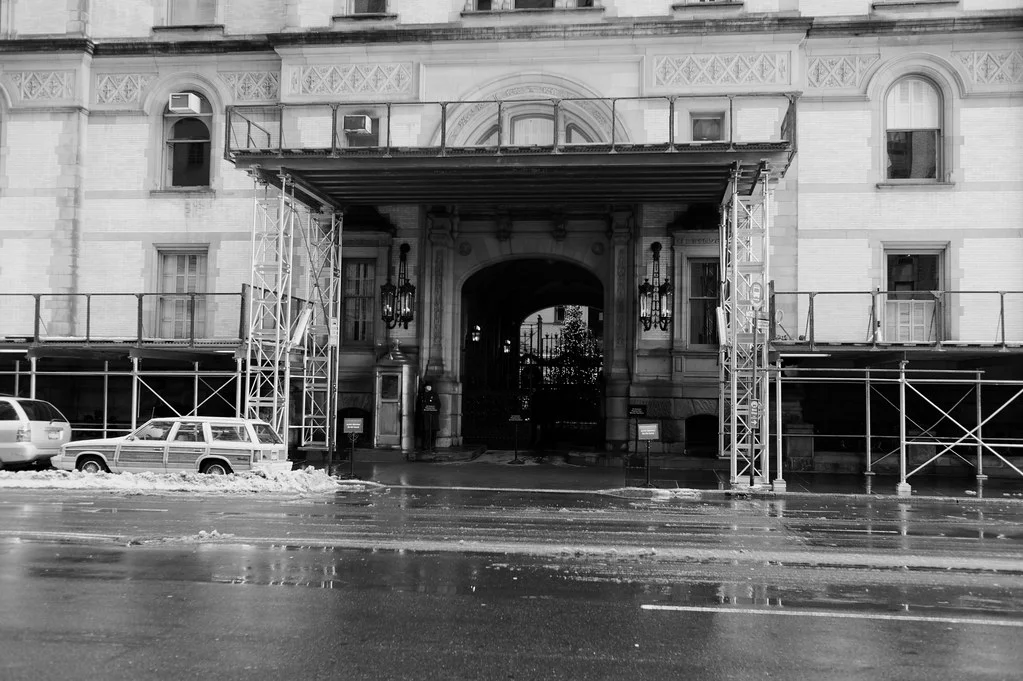
There is a stillness to the Dakota that resists the pace of the city. While Manhattan evolves—glass replacing stone, speed overtaking scale—the building holds its position. This resistance is not nostalgic; it is structural. The Dakota does not attempt to adapt. It persists.
Inside, the architecture reinforces this sense of separation. Corridors extend with a deliberate quietness, rooms unfold with a sense of enclosure rather than openness. The design prioritizes interiority—spaces that turn inward rather than outward. Light enters carefully, never fully exposing, always filtering.
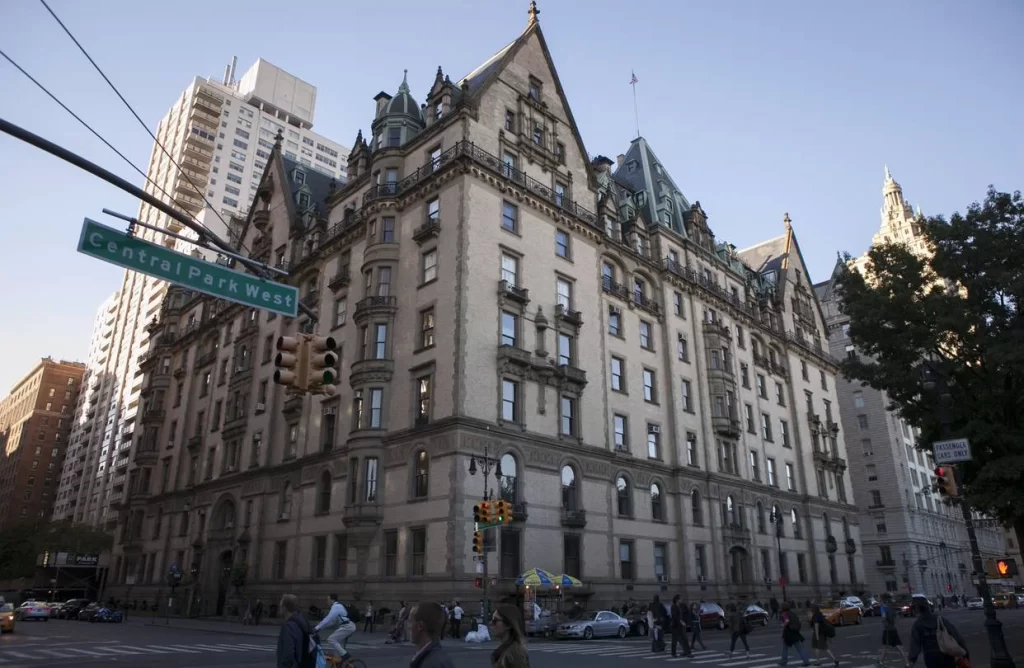
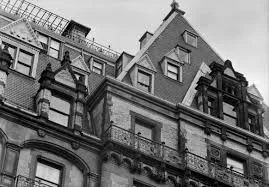
This spatial logic contributes to the building’s psychological presence. It is not a place that invites visibility. Instead, it cultivates opacity. What happens inside remains inside, reinforcing the boundary between public perception and private reality.
Yet this opacity is precisely what sustains its cultural resonance. The Dakota exists as an image as much as a structure—circulating through film, literature, and collective imagination. It is recognized instantly, yet rarely understood.
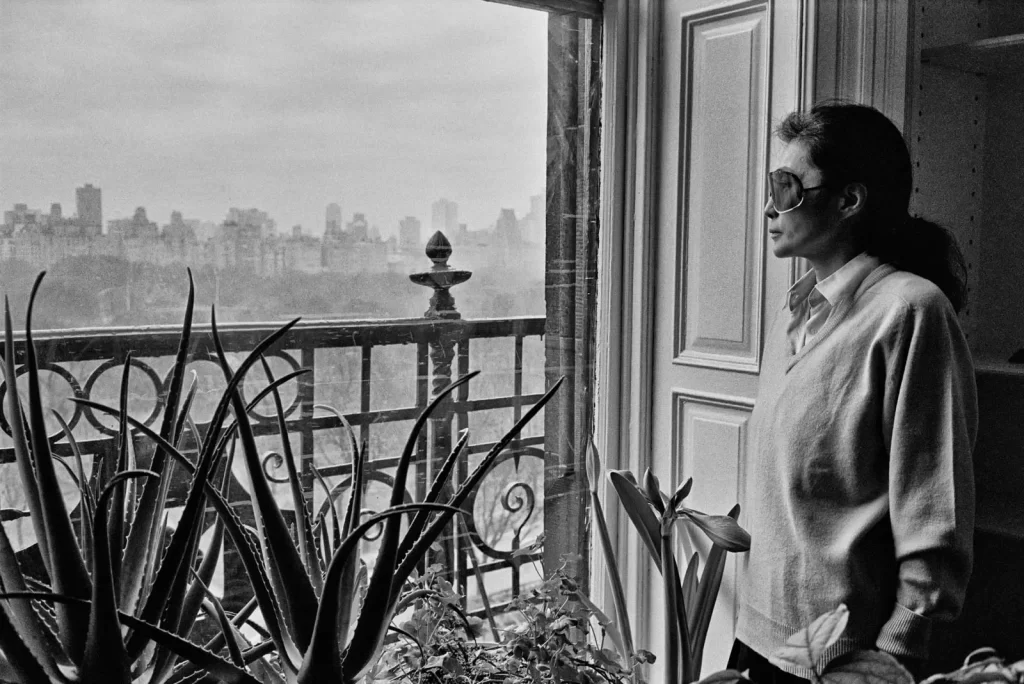
In this sense, the building operates within a paradox. It is both highly visible and fundamentally inaccessible. Its facade is public, its interior remains concealed. This tension produces a form of fascination that exceeds architecture.
The Dakota also reflects a broader condition within the city—the coexistence of permanence and transformation. While its surroundings continue to shift, it remains fixed, creating a contrast that intensifies its presence. The building does not need to assert itself; its endurance is sufficient.
To encounter the Dakota is to confront a structure that resists interpretation. It does not explain itself, nor does it invite narrative closure. Instead, it accumulates layers—historical, cultural, psychological—without resolving them.
In an urban environment defined by exposure and acceleration, the Dakota offers an alternative condition: one of containment, distance, and sustained ambiguity.
It is not simply a building. It is a threshold between what is seen and what remains deliberately out of reach.