An artist navigating architecture, mysticism, and modernism between Istanbul and Manhattan.
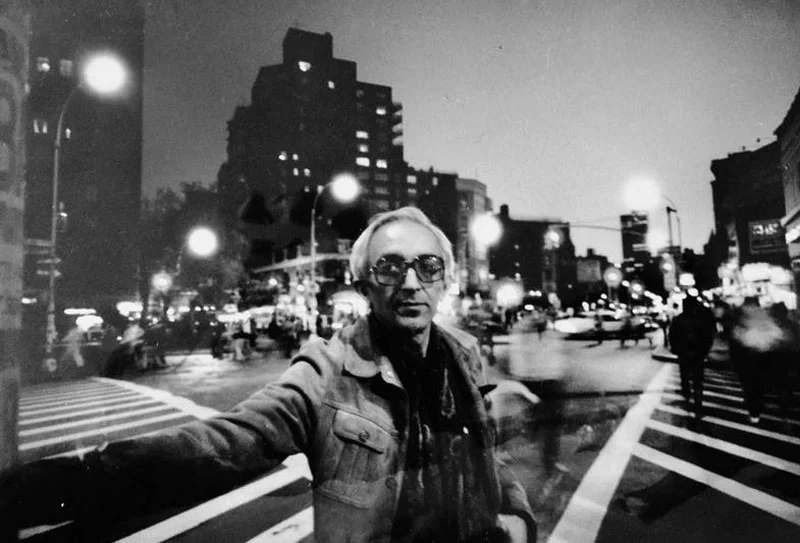
When Erol Akyavaş arrived in New York in the mid-twentieth century, the city was becoming the center of the global art world. Abstract expressionism had transformed painting, minimalism was emerging, and artists from across the world were arriving with new ideas about form and meaning. For Akyavaş, the city offered both freedom and distance—a place to experiment while reflecting on the layered cultural histories that shaped his work.

When Erol Akyavaş first arrived in New York, the city was already transforming into the epicenter of modern art. Galleries were opening in converted industrial spaces. Painters debated the future of abstraction late into the night. Museums were expanding their collections to reflect a rapidly changing artistic landscape.
For artists arriving from outside the United States, the city represented a unique environment: competitive, experimental, and deeply international.
Akyavaş entered this environment carrying with him a complex background. Born in Istanbul in 1932, he initially trained as an architect before gradually moving toward painting and visual experimentation. Architecture remained present in his work throughout his life—not only in compositional structure but also in the philosophical sense that space itself could hold meaning.
New York offered a laboratory for these ideas.
During the 1950s and 1960s the city was undergoing a shift that would permanently alter the global art scene. Abstract expressionism had already established New York as a serious rival to Paris, while younger artists were beginning to question the emotional intensity of that movement. Minimalism, conceptual art, and post-minimalist sculpture were redefining the relationship between artwork, space, and viewer.
Within this environment Akyavaş developed a visual language that resisted easy classification.
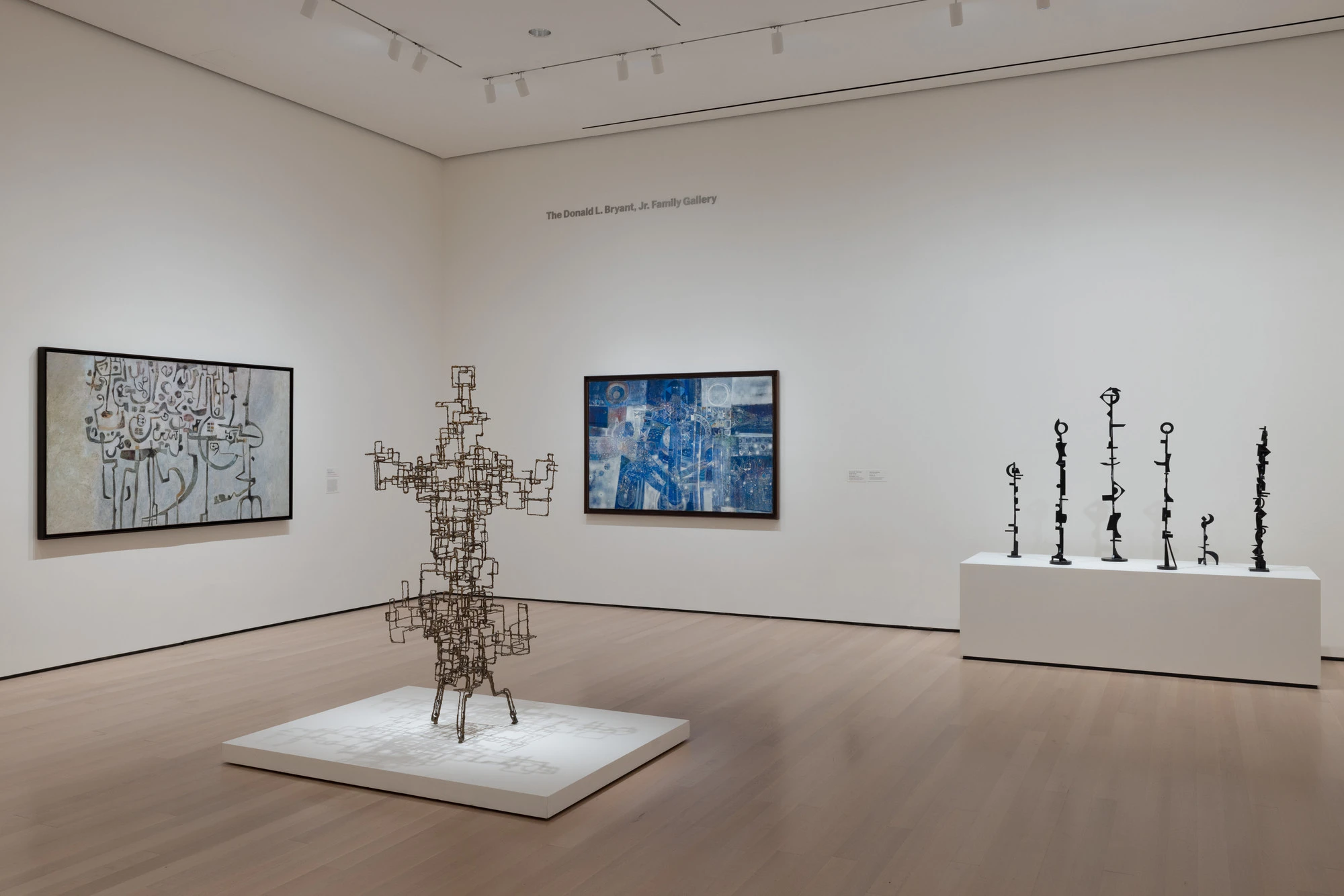
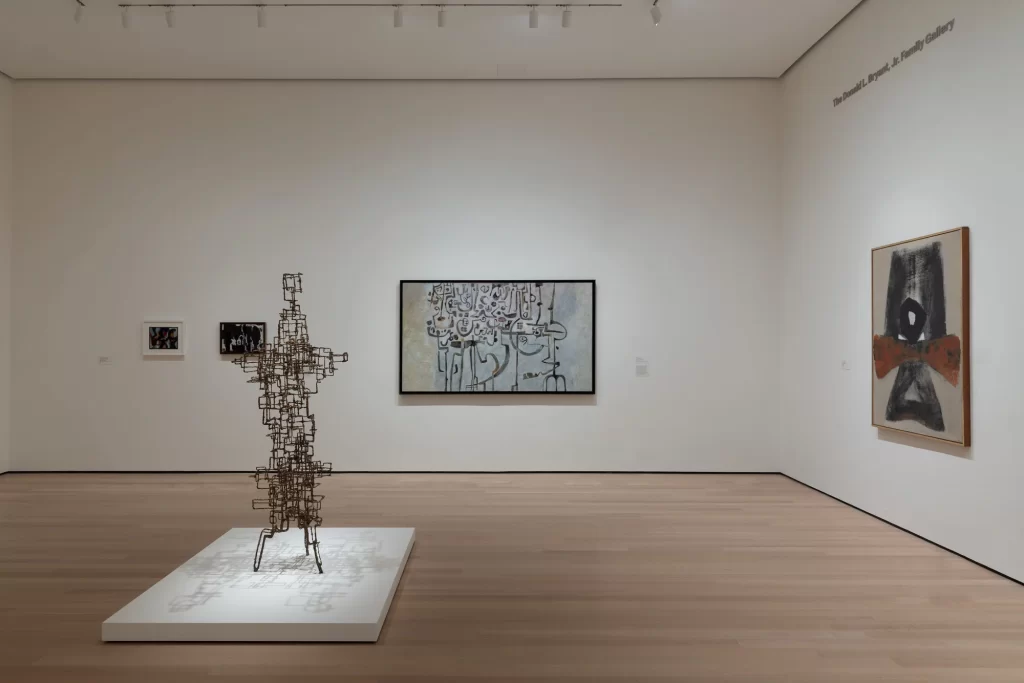
His paintings often appeared geometric at first glance. Lines intersected at precise angles, creating compositions that resembled architectural diagrams or fragmented city plans. Yet these structures rarely remained purely formal. Embedded within them were symbols, references to Islamic philosophy, and echoes of spiritual architecture.
The result was a practice that moved fluidly between cultures.
Living in New York intensified that dialogue. Distance from Istanbul allowed Akyavaş to reconsider the intellectual traditions that had shaped him. Rather than replicating motifs from the past, he began to reinterpret them within the language of modern painting.
For many artists of his generation, exile or migration created a productive tension. Working between cultures forced them to invent new visual vocabularies.
Akyavaş embraced that challenge.
His paintings increasingly explored the relationship between geometry and metaphysics. Architectural structures dissolved into abstract fields. Symbols emerged from layered surfaces, suggesting fragments of memory rather than literal representation.
The city itself may have influenced this approach. New York’s skyline, with its rigid vertical forms, offered a constant reminder of architecture’s emotional impact.
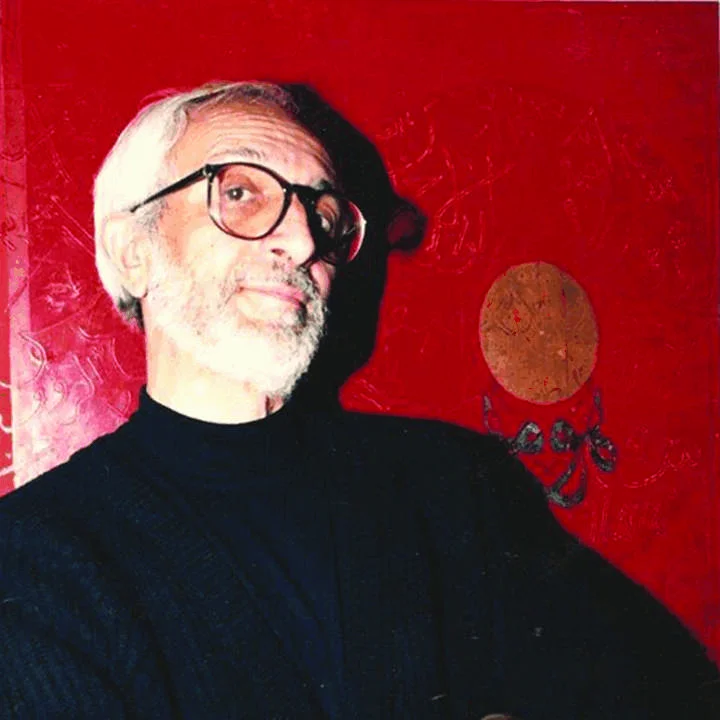
But the artist’s interests extended beyond urban form.
Akyavaş was deeply influenced by Sufi thought and Islamic philosophy, traditions that emphasize the search for meaning through contemplation and transformation. These ideas appeared subtly within his work—through symbolic forms, calligraphic gestures, and compositions that seemed to unfold like meditative diagrams.
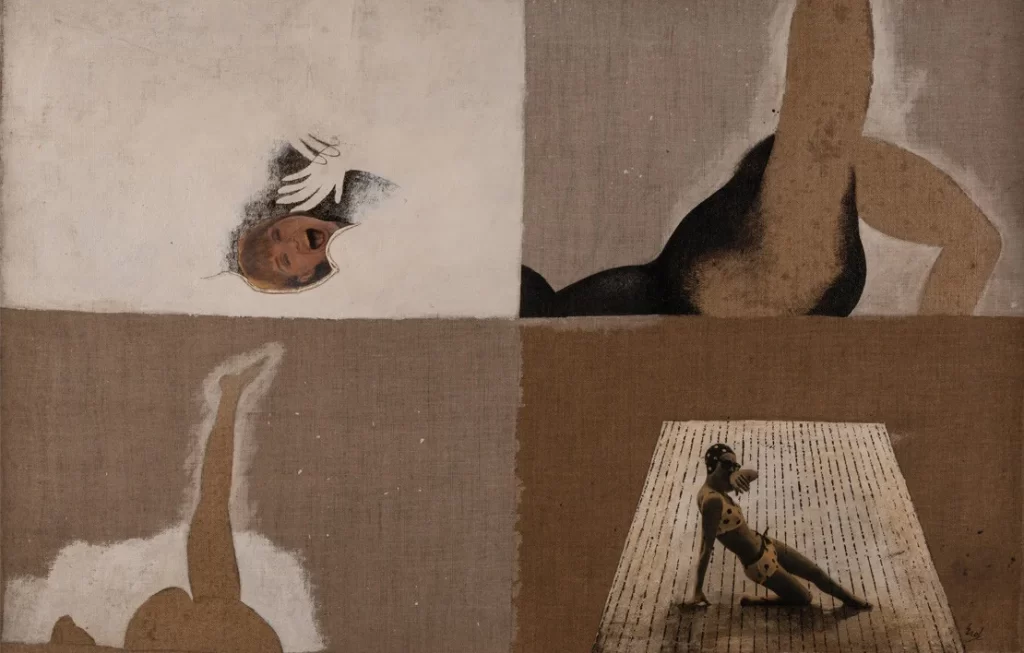
Critics often described his paintings as bridges between worlds.
Yet Akyavaş himself resisted such labels. For him, the goal was not synthesis but exploration.
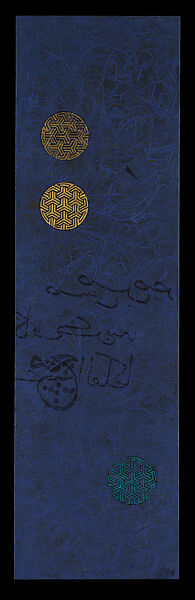
Painting became a way to think.
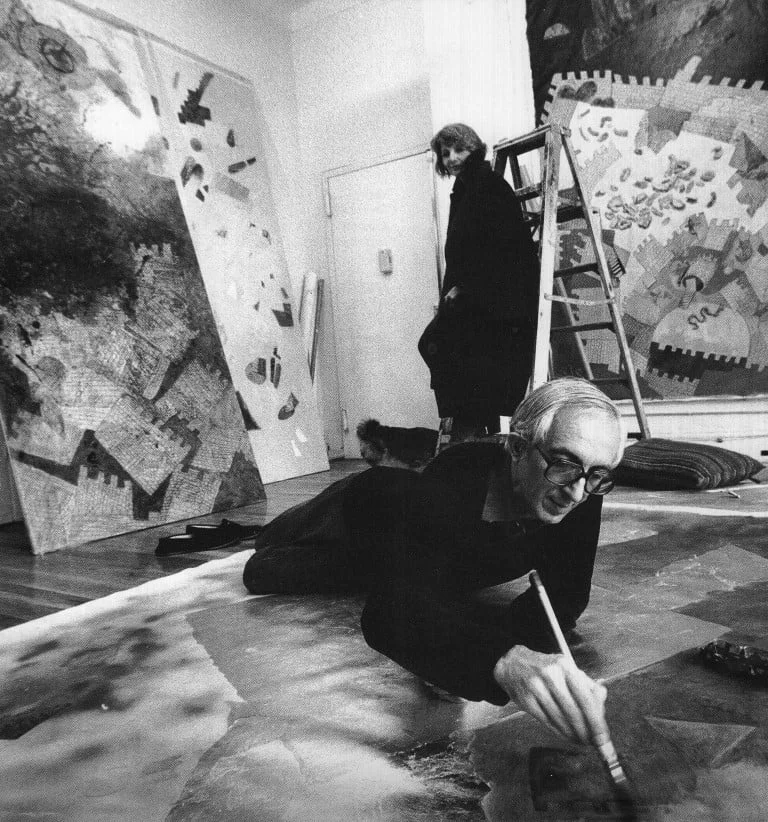
Throughout the 1970s and 1980s his work continued to evolve. Large canvases incorporated complex layers of imagery, combining architectural references with expressive surfaces. Some paintings suggested maps or cosmological diagrams. Others resembled ruins—structures partially revealed through time.
The tension between permanence and erosion became central.
In many ways this mirrored the artist’s own experience of living between cities.
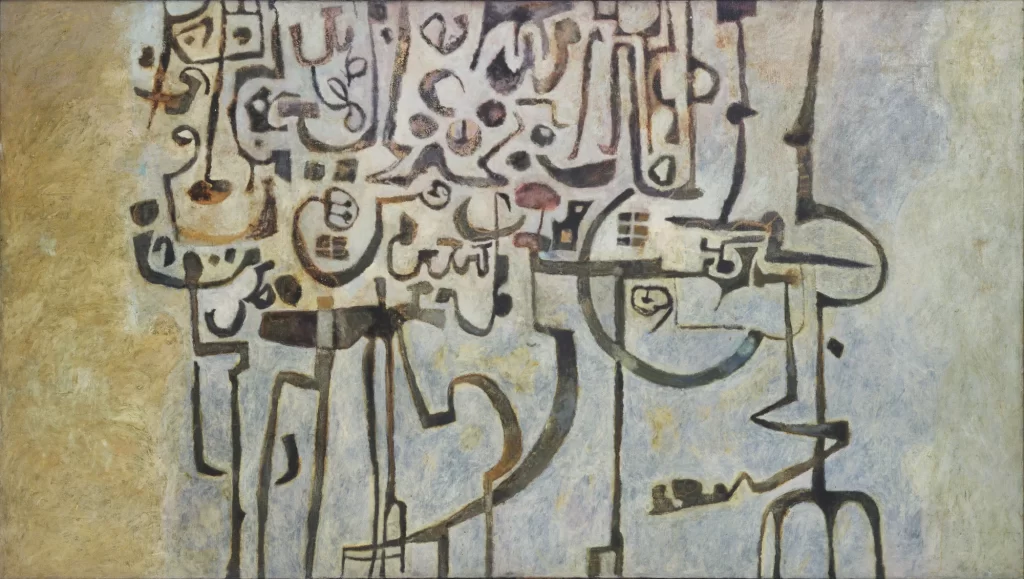
New York provided exposure to international audiences and critical discourse, while Istanbul remained a source of historical depth and cultural memory. Rather than choosing between them, Akyavaş allowed both influences to coexist.
His work became a form of dialogue.
Looking back today, Akyavaş occupies a unique position within twentieth-century art. He belonged to the global modernist movement yet remained deeply connected to philosophical traditions outside the Western canon.
That dual perspective now feels increasingly relevant.
Contemporary artists frequently navigate similar conditions—working across geographies, histories, and cultural frameworks.
Akyavaş anticipated that reality decades earlier.
His paintings remind us that modernism was never a single story. It was a network of conversations unfolding across cities, languages, and generations.
New York was one of the places where those conversations became visible.
For Akyavaş, the city was not simply a location. It was a space of reflection.
And through that reflection, his work found its distinctive voice.